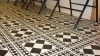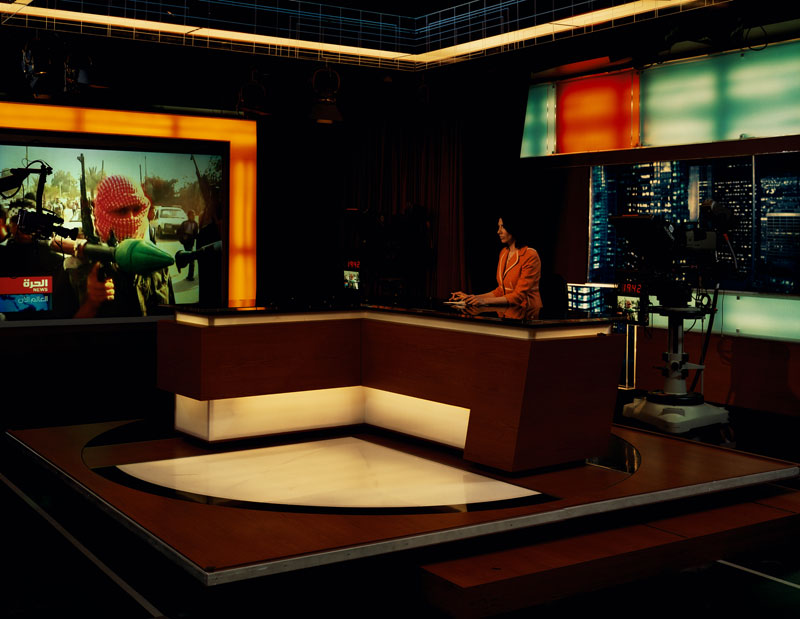
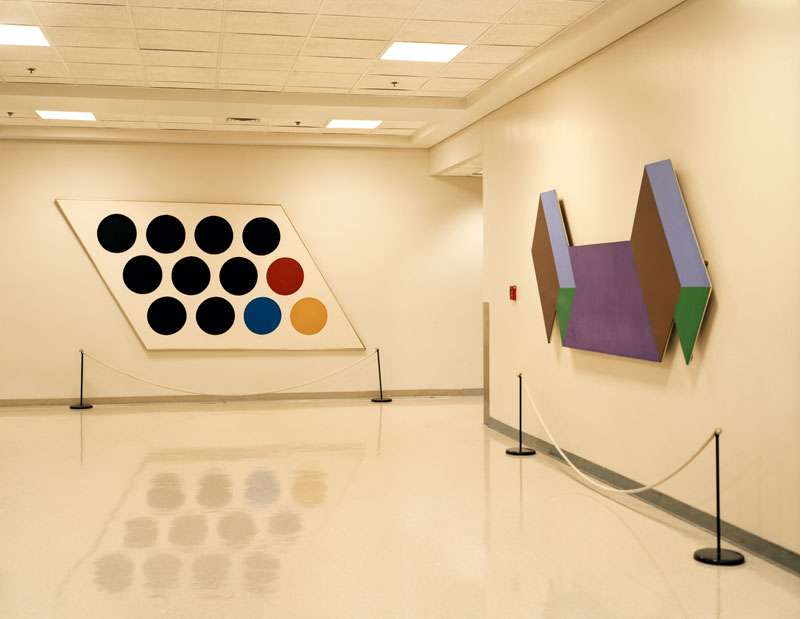
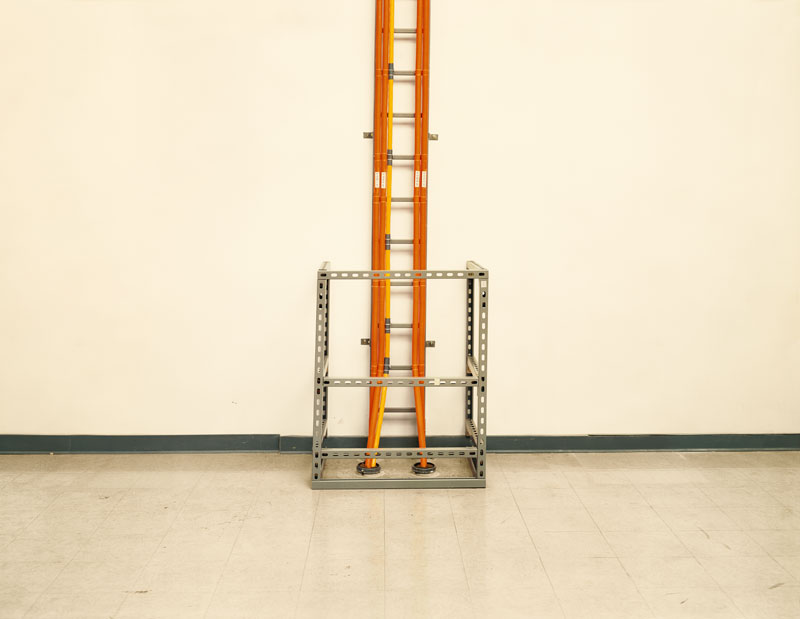
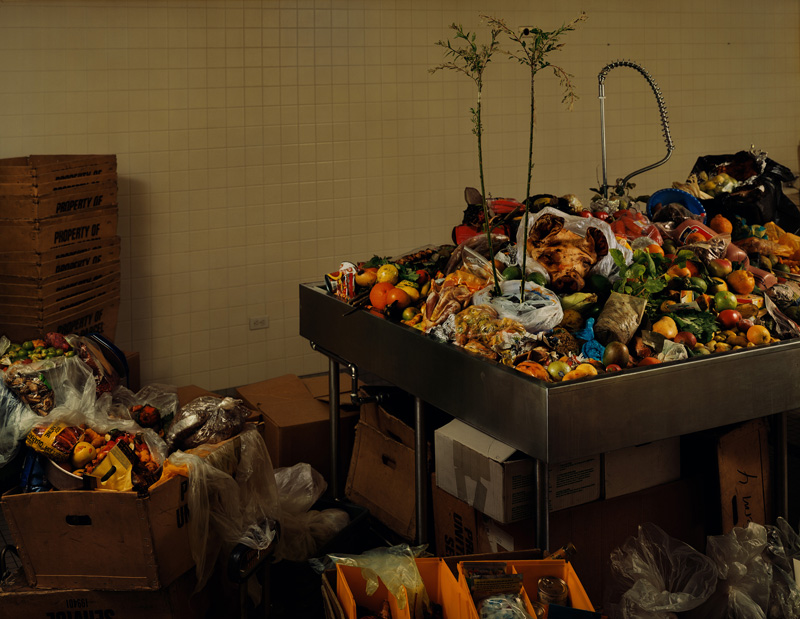
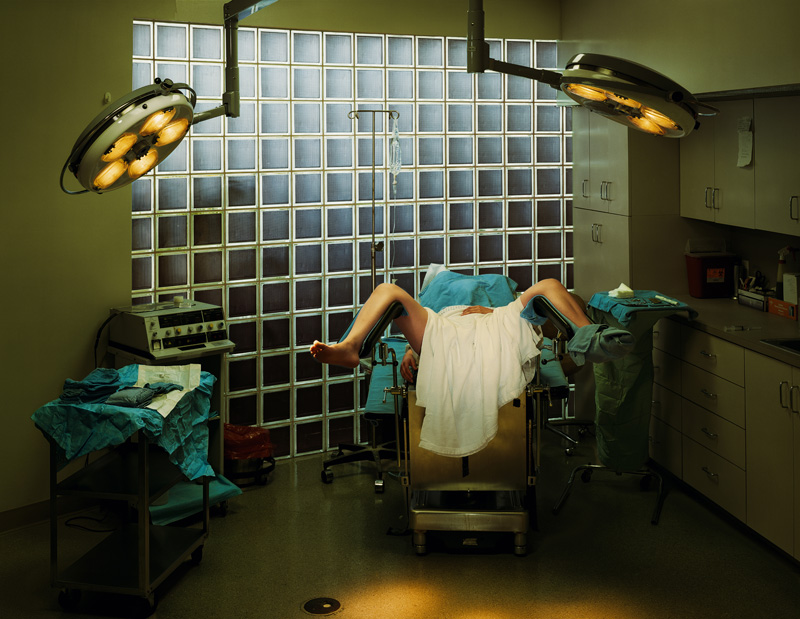
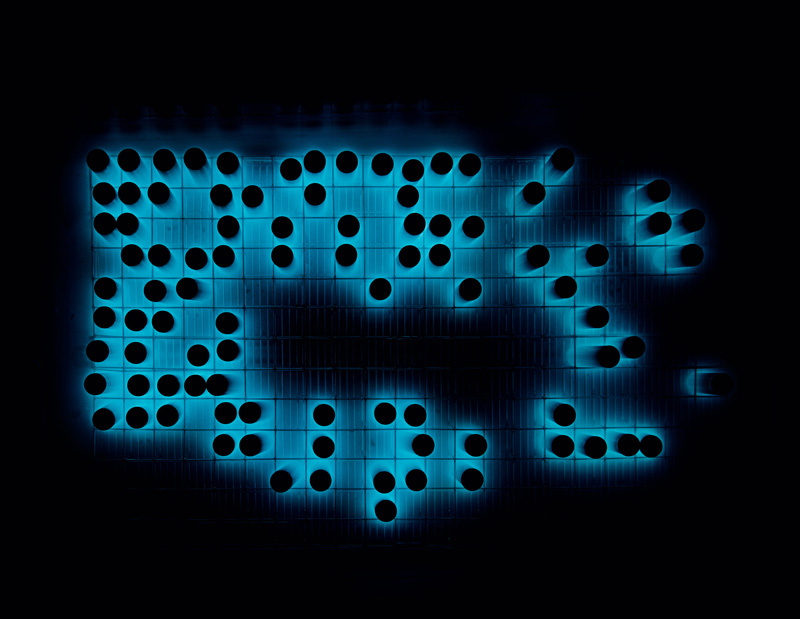
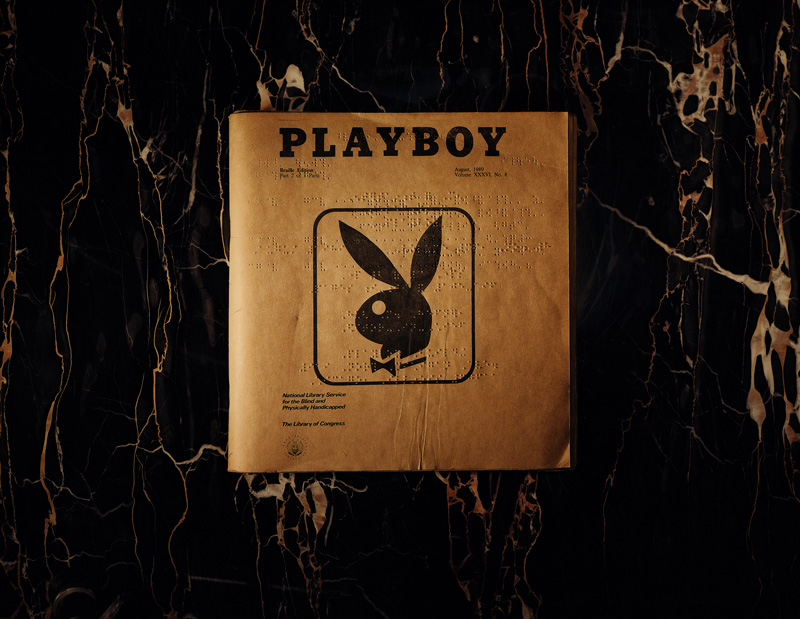
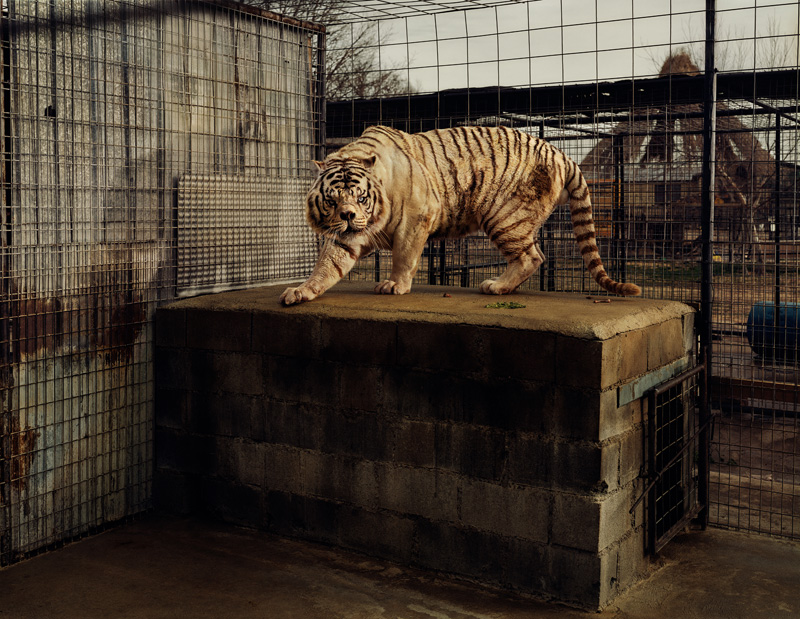
Taryn Simon is best known for “The Innocents,” a series documenting cases of wrongful conviction in the United States. In her new show and book, “An American Index” (recently on display at The Photographers’ Gallery, London), she goes about documenting secret places in America that have rarely been seen by the public eye: the bureau of engraving and printing, a cryogenics facility, a hymenoplasty, a site for testing fireworks. As Simon notes below, “the process is indebted to both imagination and the internet, followed by an incessant amount of letter writing and phone calling.”
Simon’s photographs have been exhibited nationally and internationally, including at the Whitney Museum of American Art, New York and the Kunst-Werke Institute for Contemporary Art, Berlin. She is a graduate of Brown University and a Guggenheim Fellow. All images appear courtesy the artist and the Gagosian Gallery, New York. All images © Taryn Simon, all rights reserved.
Where did this project begin? Where’s the appeal for things that are off-limits?
Its genesis was a photograph I took five years ago at The Palace of the Revolution in Cuba. It was something that I responded to aesthetically; it was more abstract and ambiguous than past work I have produced. It floated in a disorienting space until it crashed to earth through its caption. Its success was bound to its content. It was a space that is inaccessible to the public and largely un-photographed. After September 11th, when the American government and media was so deeply invested in finding secret sites (the inaccessible) beyond its borders, I decided to look inward—to find the hidden and unfamiliar, the out-of-view and off-the-radar within American borders.
Bringing the walled-off to public view has a sense of Robin Hood. What was going through your mind when you were going behind the closed doors in all these different sites?
Like most reveals—I was confronted with vulnerabilities. To see the innards is often disillusioning. You see the mold, the cracks, the true size and form. So much was caught in time; felt un-evolved. But I had only reached another perch.
In “The Innocents,” you showed us convicts who were wrongly convicted. With these secret places, you’re bringing us what we’re supposed to be forbidden to see. Do you have a sense when you’re shooting that you’re working on behalf of one side or the other, the subject or the audience?
I’m working for myself and responding to certain anxieties that I need to confront, particularly in “An American Index.” I’m very aware, in the end result, of both the subject and the audience, and more importantly photography’s engagement with both. My focus on text and controlling the context in each image and the series as a whole is in direct response to this.
How did you go about tracking down access to your locations?
The process is indebted to both imagination and the internet, followed by an incessant amount of letter writing and phone calling.
Was there somewhere you wanted to shoot for this series that you couldn’t get access to?
There were several sites, most notably Disney. I had requested access to their underground facility where characters reveal their true identities, where cars, garbage and the ugly, pragmatic, necessary breaks in the fantasy exist. Their response was far better than any photograph I could have ever taken.
It read:
“After giving your request serious consideration, even though it is against company policy to consider such a request, it is with regret that I inform you that we are not willing to grant the permission you seek…As you are aware, our Disney characters, parks and other valuable properties have become beloved by young and old alike, and with this comes a tremendous responsibility to protect their use and the protection we currently enjoy. Should we lapse in our vigilance, we run the risk of losing this protection and the Disney characters as we know and love them….Especially during these violent times, I personally believe that the magical spell cast on guests who visit our theme parks is particularly important to protect and helps to provide them with an important fantasy they can escape to.” (Excerpted from a faxed response from Disney Publishing Worldwide, July 7, 2005.)