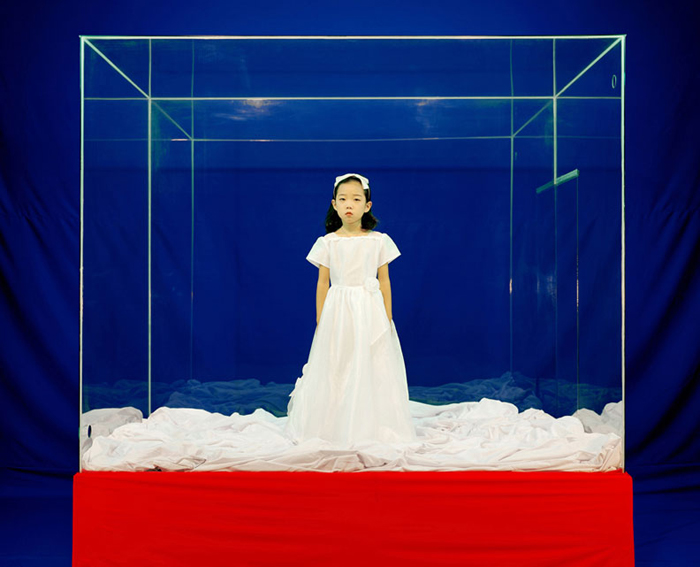
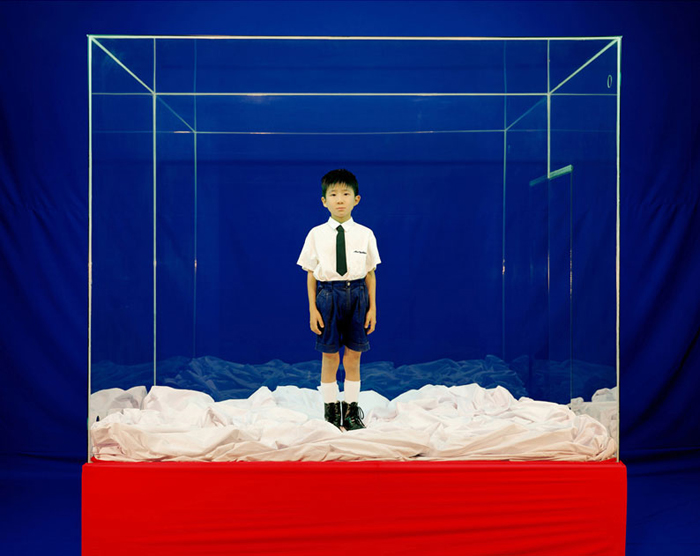
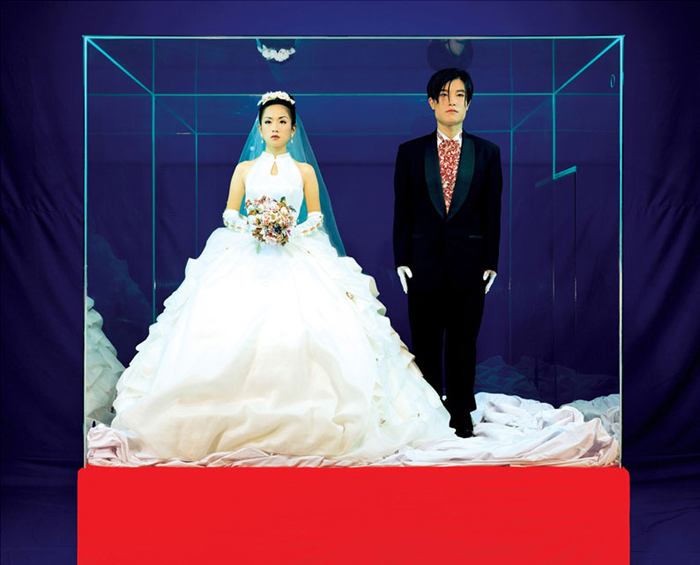
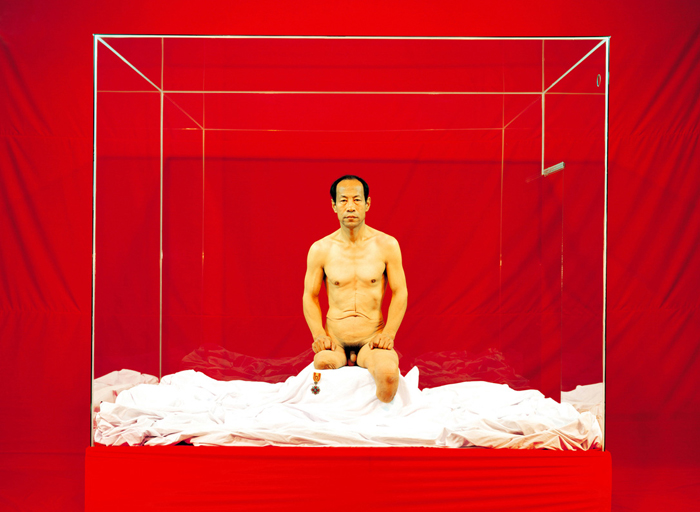
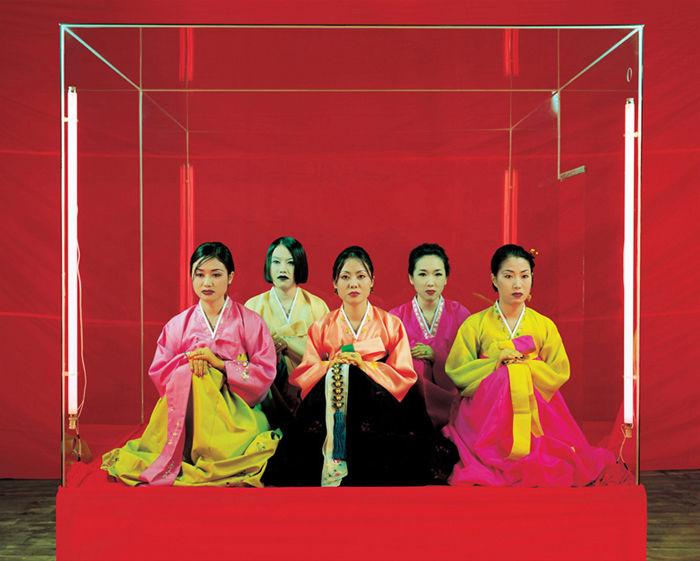
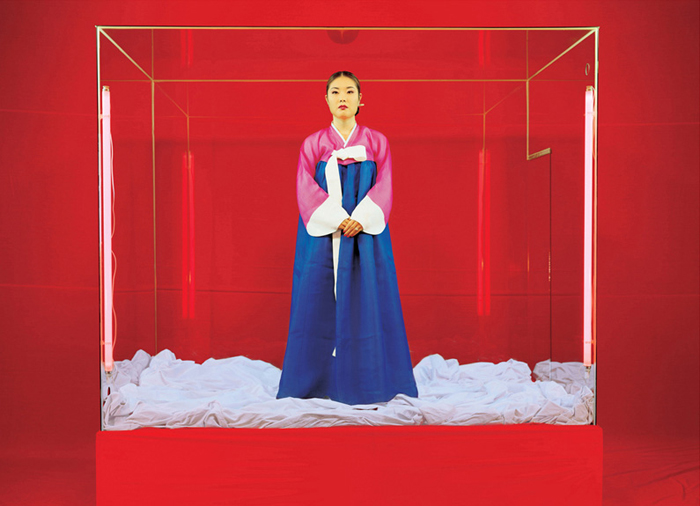
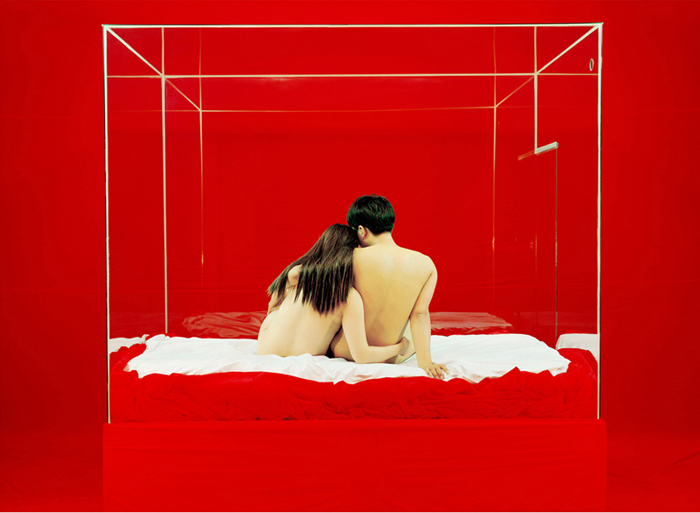
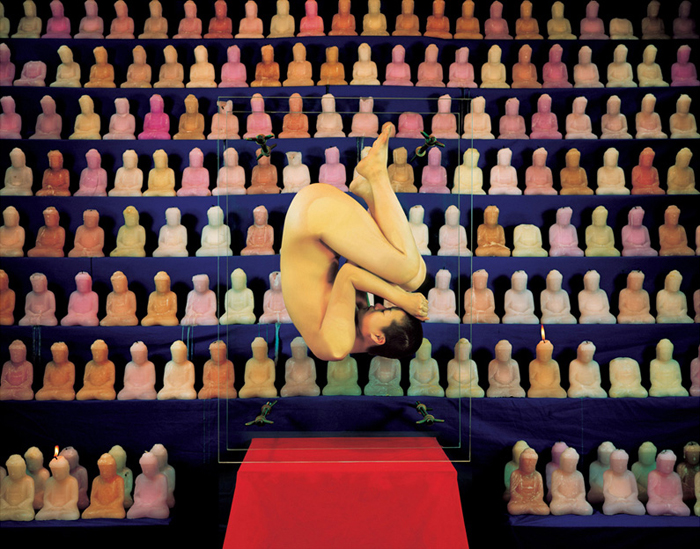
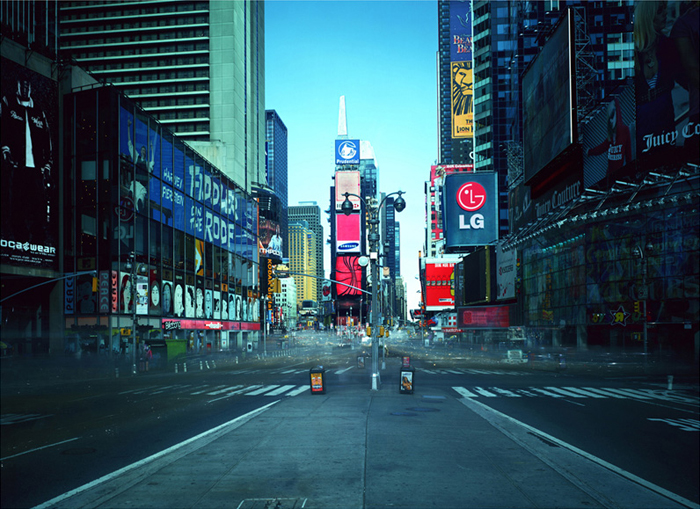
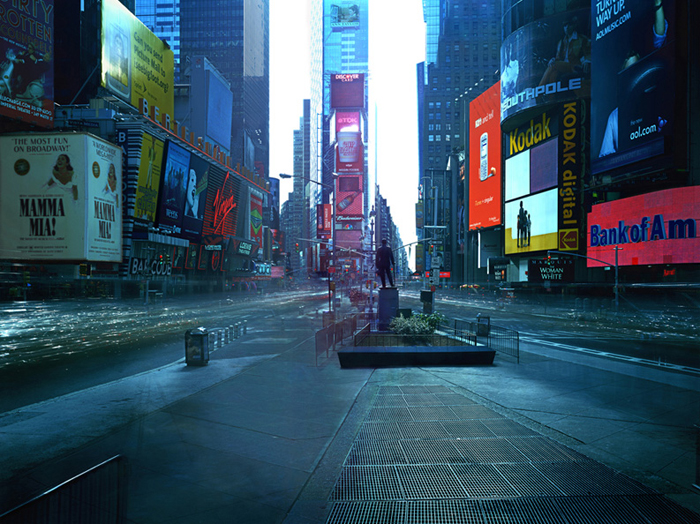
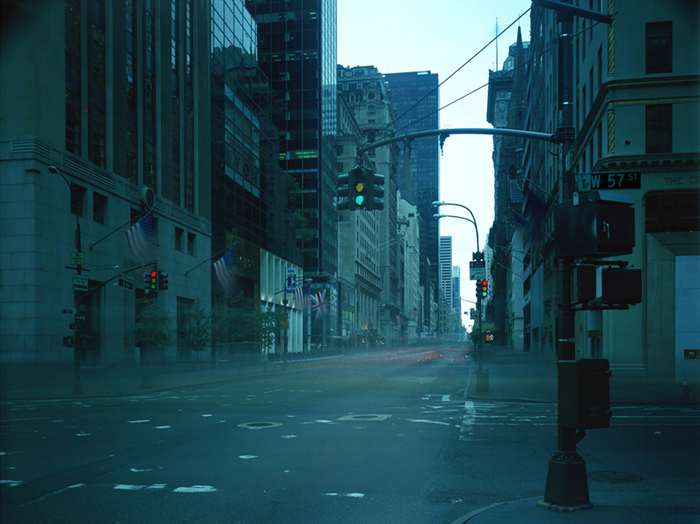


In Korean photographer Atta Kim’s work, New York City vanishes, tiny nudes appear beside mountains, and contorted figures defy gravity. His photographs manage to be both conceptually and visually thrilling—glass boxes, long exposures, and archetypal settings offer new perspectives on human institutions and relationships.
Atta Kim was born in Korea in 1956. He graduated from Changwon University with a bachelor’s degree and has been actively photographing since the mid-1980s. He has had solo shows at the International Center of Photography, New York; Yossi Milo Gallery, New York; Samsung Photo Gallery, Seoul; the Nikon Salon Gallery, Tokyo; and the Yechong Gallery, Seoul. His work has been included in numerous group exhibitions, including shows at the Museum of Contemporary Photography in Chicago; the Odens Foto Triennale in Odens, Denmark; the Australian Centre for Photography; the 25th São Paolo Bienal; and FotoFest in Houston. His publications include The Museum Project (Aperture Foundation) and a catalog, including an interview with the artist by ICP Curator Christopher Phillips. Atta Kim currently lives and works in Seoul and New York.
All images in the gallery appear courtesy of the Yossi Milo Gallery, where Kim’s “The Museum Project” is on view until August 25th, 2006. The following interview was recently conducted over email with the aid of a translator.
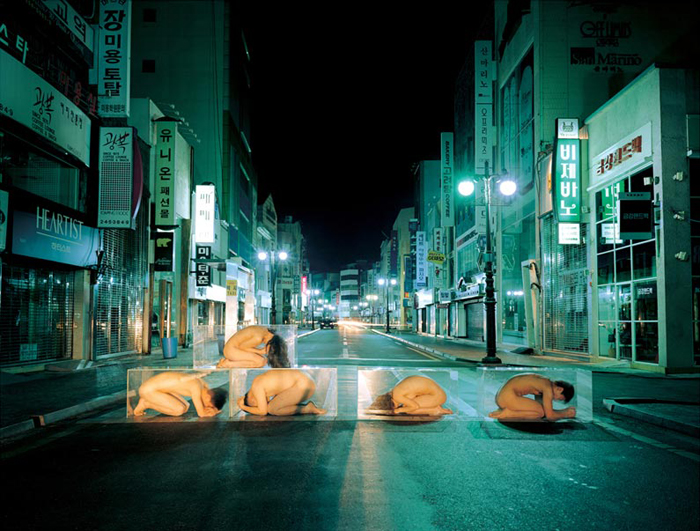
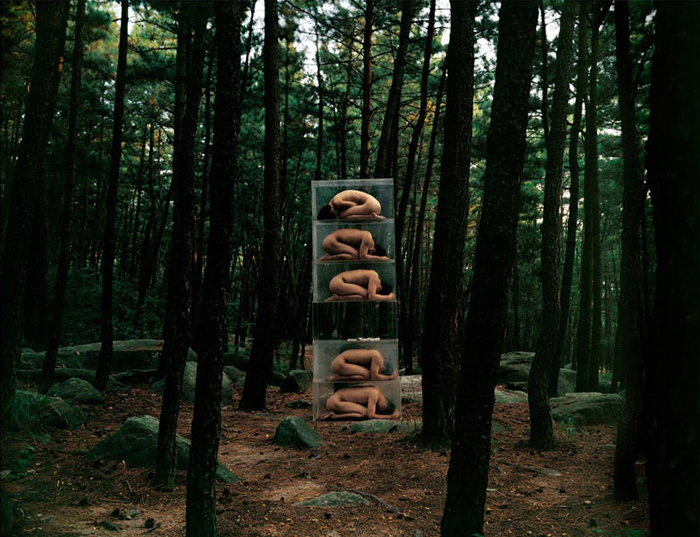
The Morning News: In The Museum Project, why did you place your subjects inside glass boxes?
Atta Kim: A museum is a place where historical objects are placed as barometers of present, past, and future. The Museum Project is about creating my own private museum that displays very basic human elements—basic violence, sex, and ideology, etc.—in a clear glass box. Thus, if the museum is a place where the dead live forever, my museum is a place that lives forever with what is already alive. My models inside the glass boxes become live relics.
TMN: Many of your settings are bright and lush. What’s the relationship between the forests and city streets where your photos are set and the glass boxes inside these environments?
AK: The most important concept in The Museum Project is that everything has its own value of existence. Man-made structures and naturally occurring spaces are transposed to my museum, and they share the same concept.
TMN: What’s it like inside these boxes?
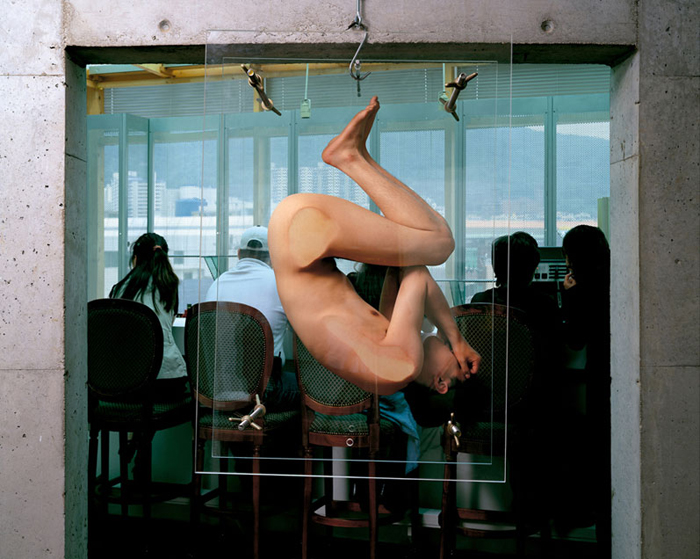
AK: There is no separation between artist and model. I put myself inside the boxes and hang myself upside down before I shoot. My experience from the box is that these glass boxes are a big, dominating power.
TMN: So in your photographs, the models are having intense physical experiences.
AK: Some models collapsed as soon as they entered those glass boxes and couldn’t get up. It feels like a coffin under the ground. After that experience, you get to become a permanent existence, like those fixed museum relics.
TMN: There is such extensive breadth and emotion in your photographs. Do your images tell a story?
AK: Each individual and object has its own uniqueness and that was one important concept for The Museum Project. Everything—human or not—has its own story. The human population of the planet is more than 6.5 billion people, yet no two people are identical.
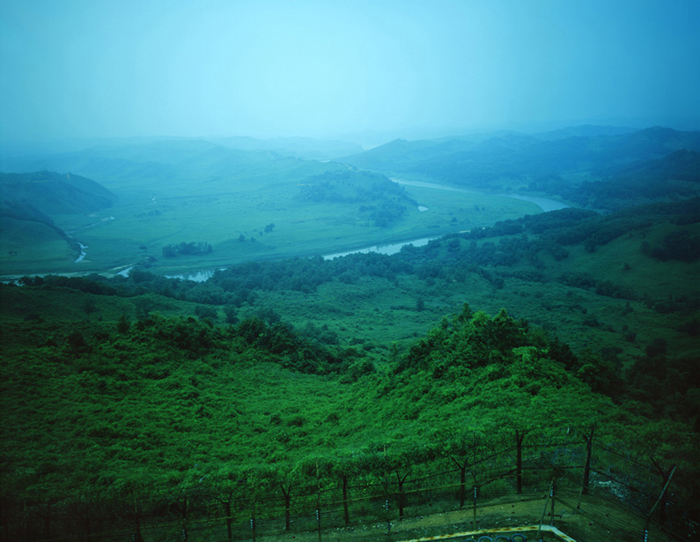
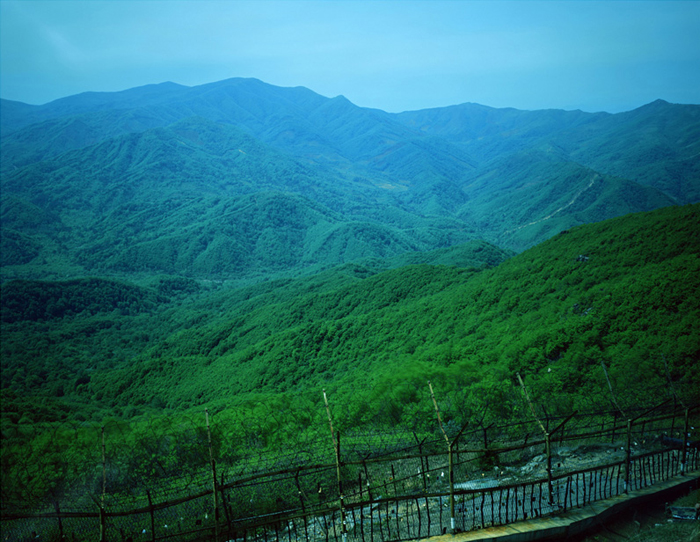
TMN: You photographed at the Demilitarized Zone between North and South Korea. What drew you to this location?
AK: The DMZ series is part of the “On-Air” project. It is an unfortunate reality, but after more than fifty years since the start of the Korean War on July 25th, 1950, the DMZ still crosses 155 miles of the Korean peninsula from west to east. In order to make this project, I placed my 8x10 camera for an eight-hour exposure. This alerted the North Korean side and made us panic.
TMN: You encountered a military presence there while shooting?
AK: There are over 100,000 soldiers from South and North Korea facing each other across the DMZ line. Yet, the DMZ itself looks more peaceful than anywhere in this world. Within the face-off of these two powers, the DMZ stands like the eye of the storm, quiet and peaceful. It is a cruel irony.
TMN: Why were you using long exposure?
AK: I use long exposure in order to make things disappear.
TMN: Long exposure has an obvious visual effect, but does it also have a symbolic significance?
AK: Long exposure is an important concept—everything eventually disappears. It serves as the physical process for the “On-Air” project. “Everything disappears” doesn’t just mean gradual disappearance, but extends to examining the precious value of individuals and of history. A Korean proverb says, “Know its worth once it’s gone.”
TMN: What are you working on right now?
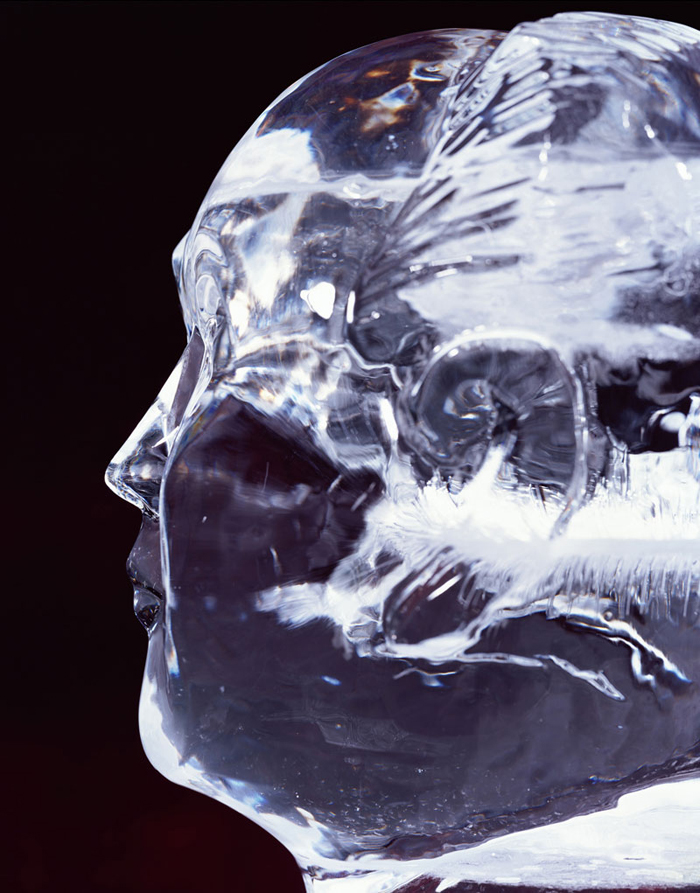
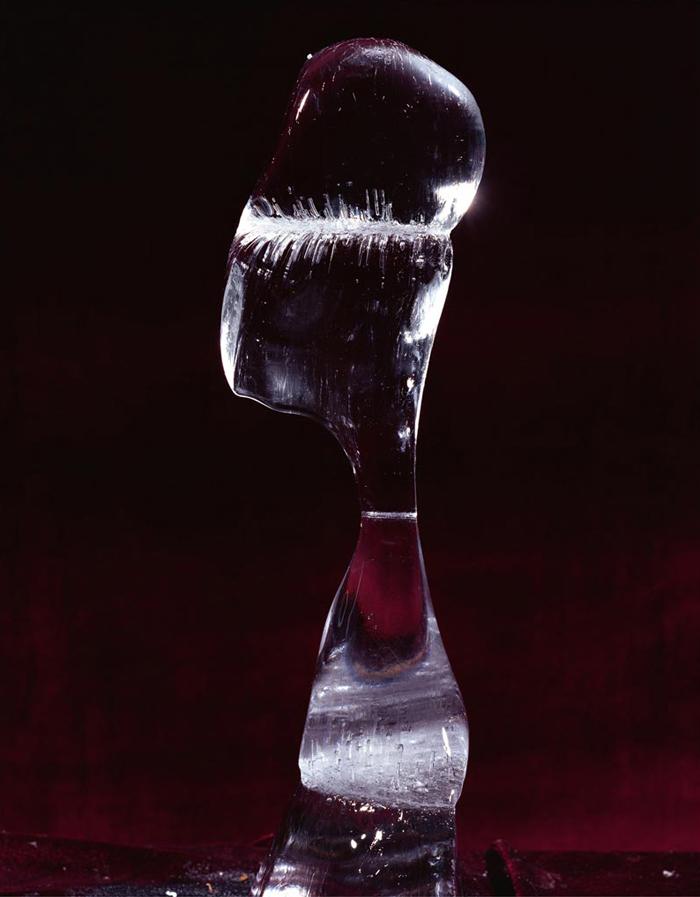
AK: I’m currently working on the “Ice Monologue” series that is part of the “On-Air” project. I’m creating and melting large ice monuments such as the pyramids, Stonehenge, and the Tower of Babel.
TMN: Plans for the future?
AK: Eastern philosophy says, “The past has already passed, the future is not here yet, and the present cannot be held.” I know this is my best moment. We don’t know what is going to happen next. If my life is glorious today, then tomorrow will be an extension of today.