culture
-

The Travel Desk
Around the World on 18 Plates
We asked people around the globe—in Uganda, Ecuador, Fiji, and more—to make food from the opposite side of Earth.
-

Books on Books on Books
Binge Reading Disorder
The typical American consumes more than 100,000 words a day and remembers none of them.
-

Novelists in Restaurants Eating Food
Union Square Sports Bar
An adventure of food and drink in San Francisco naturally expands to include Ornette Coleman, Mexican wedding cookies, and a pet monkey admiring the ocean.
-

Kitchen Tales
Knead for Naught
After decades of perfecting a homemade bread recipe, a single experiment transforms a home cook into an artisan.
-

Breaking the News Cycle
Crazy in Love With Kansas
Brief updates on important stories that have tumbled off the front page—“Carry That Weight,” Brownbackonomics, the ice bucket challenge, homophobia in Russia, and more.
-
Presenting the 2015 Tournament of Books Brackets and Schedule
The 2015 Rooster crows on March 9, which means it’s time to download this year’s brackets to make your picks for which books will live, which ones...
-

Borderlands
The Marlboro Men of Chernivtsi
Where there’s smoke, there’s smuggling. Before the Ukrainian border became a dangerous war zone, it was a profitable bootlegging arena.
-

Self-Help
My Top One Lists
Because the blinders were on last year, a 2015 resolution to become more culturally aware: to read more books, watch more movies, and listen to more albums.
-
Dispatches
Groundhog Days
In Woodstock, Ill., where Groundhog Day was filmed, hundreds of fans gather every year, year after year, to celebrate their favorite movie.
-

Breaking the News Cycle
Kiss From a Mall Cop
Your party-conversation brief on the most important stories that no one’s talking about anymore—the plight of the Segway, internet child exchanges, Ebola, the current fortunes of Seal, and more.
-

The Night Desk
The End Isn’t the End
When insomnia and technological convenience collide, a lifetime of binge reading reaches its full potential.
-
Letters From Tokyo
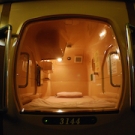
Three Feet by Six Feet by Three Feet
A visit to the granddaddy of Japan’s capsule hotels—with cot-sized individual spaces and shared amenities—and a lesson in different methods of getting along.